📍 Berchtesgaden, Germany

Eagle's Nest: Bavaria's Most Iconic Mountain Retreat

Rising 1,834 metres above the Bavarian Alps, this legendary mountain retreat blends dramatic scenery with one of history's most fascinating stories. Whether you arrive from Munich or Salzburg, no view in the region compares.

Half-Day Guided Excursion to the Eagle's Nest

The Skip-the-Line: Eagle's Nest in Berchtesgaden Tour from Salzburg whisks you through the stunning Königsee River Valley and the Bavarian Alps to one of Europe's most storied hilltop landmarks. Your expert guide provides rich historical context as you travel to Obersalzberg, then board a specially designed shuttle bus and a brass-lined elevator that ascend 1,834 metres to the Kehlsteinhaus — Hitler's former mountaintop retreat. With skip-the-line access included, you spend more time soaking in panoramic alpine views and less time waiting in queues. The Skip-the-Line: Eagle's Nest in Berchtesgaden Tour from Salzburg is the ideal half-day escape for history enthusiasts and mountain lovers alike.

  • Skip the long entrance queues with a pre-booked skip-the-line ticket
  • Ride the iconic shuttle bus and original brass elevator to the summit
  • Enjoy sweeping panoramas of the Bavarian Alps from 1,834 m
  • Journey through the scenic Königsee River Valley en route
  • Learn the full history of Obersalzberg and Kehlsteinhaus from a knowledgeable guide
Book Now
⭐ Top Rated Skip-the-Line: Eagle's Nest in Berchtesgaden Tour from Salzburg

Where Is the Eagle's Nest & What to Expect

Perched above Berchtesgaden in southeastern Bavaria, the Kehlsteinhaus sits at an altitude that puts you level with the clouds. Here is everything you need to know before you go.

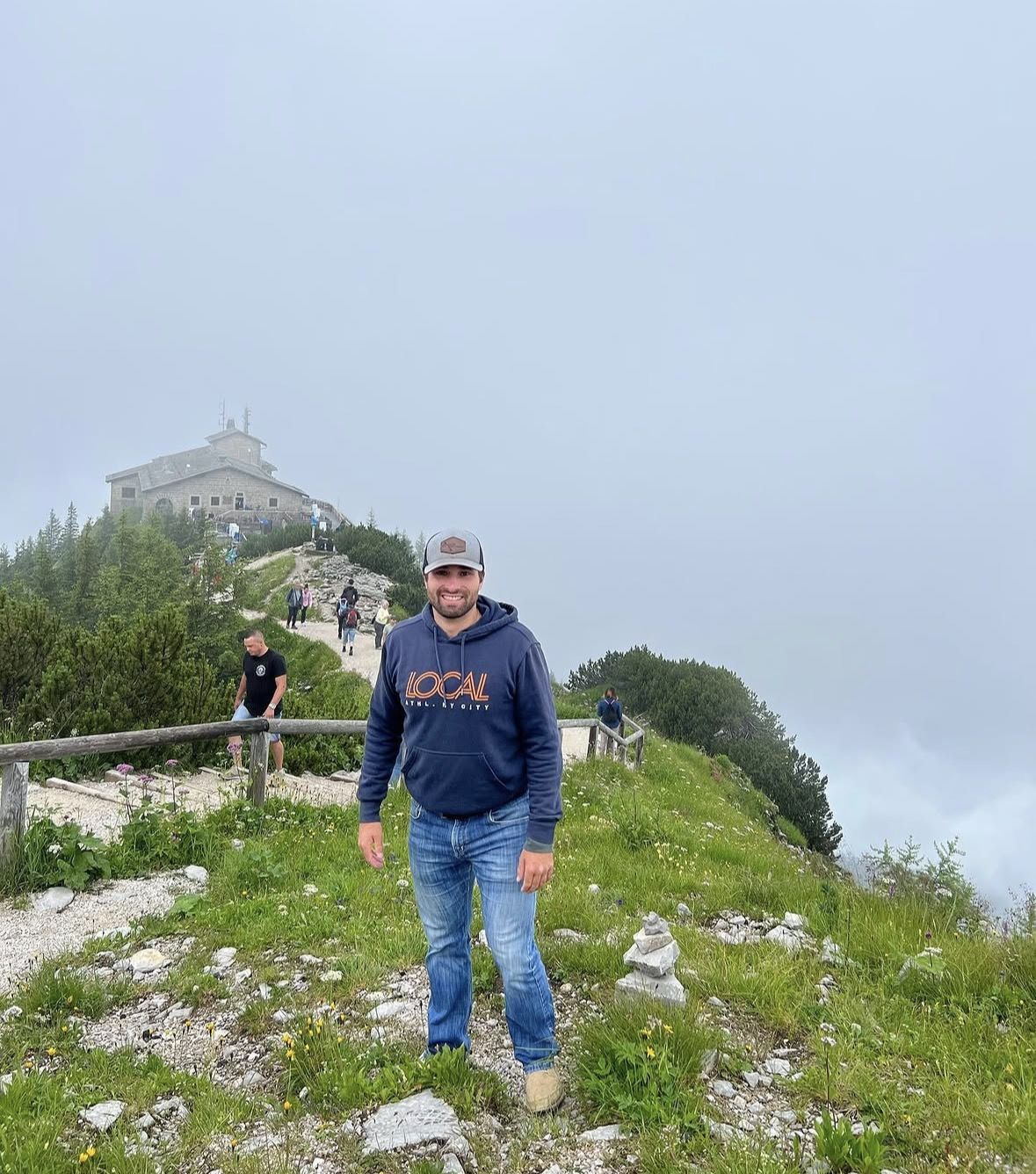
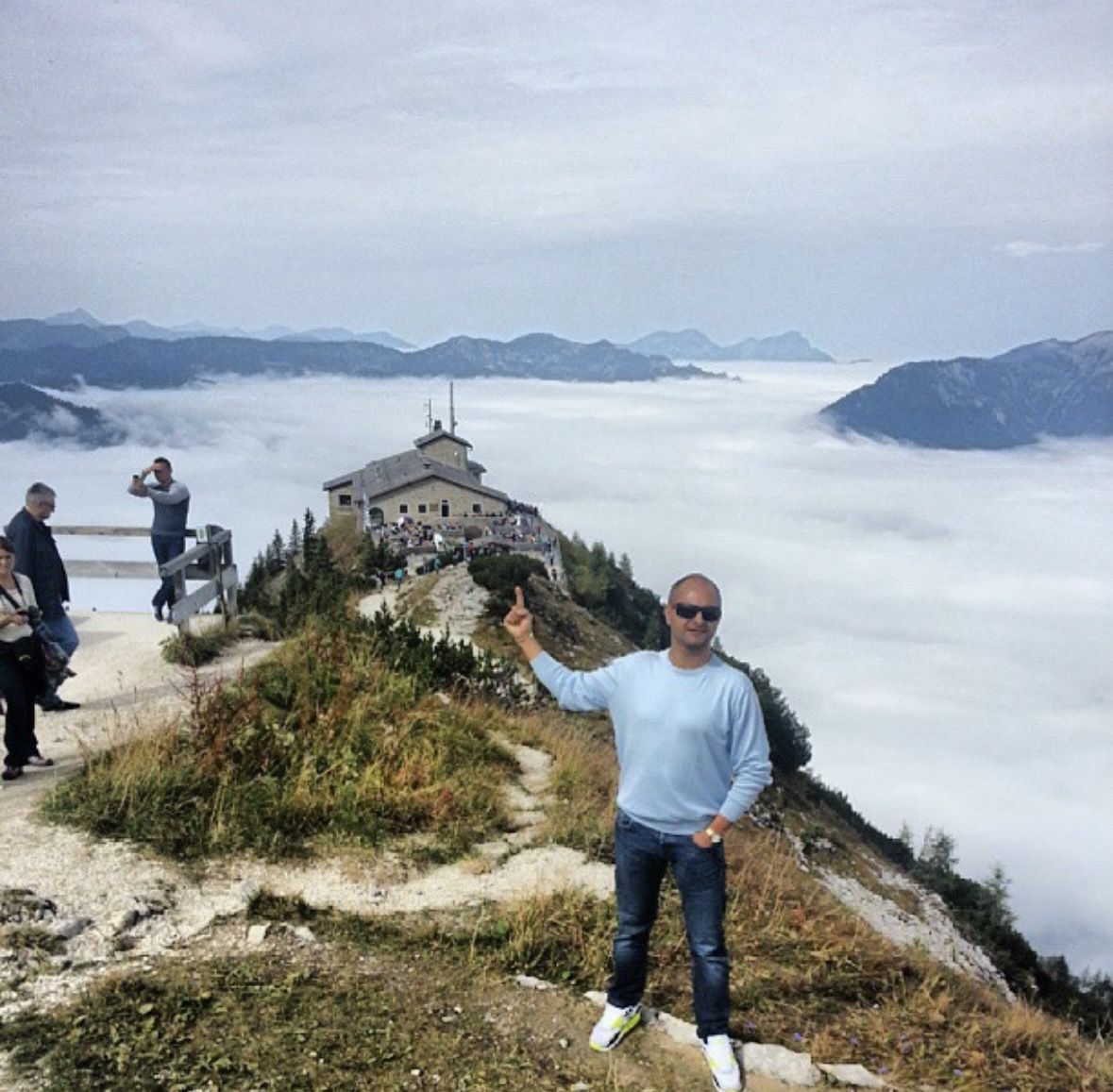
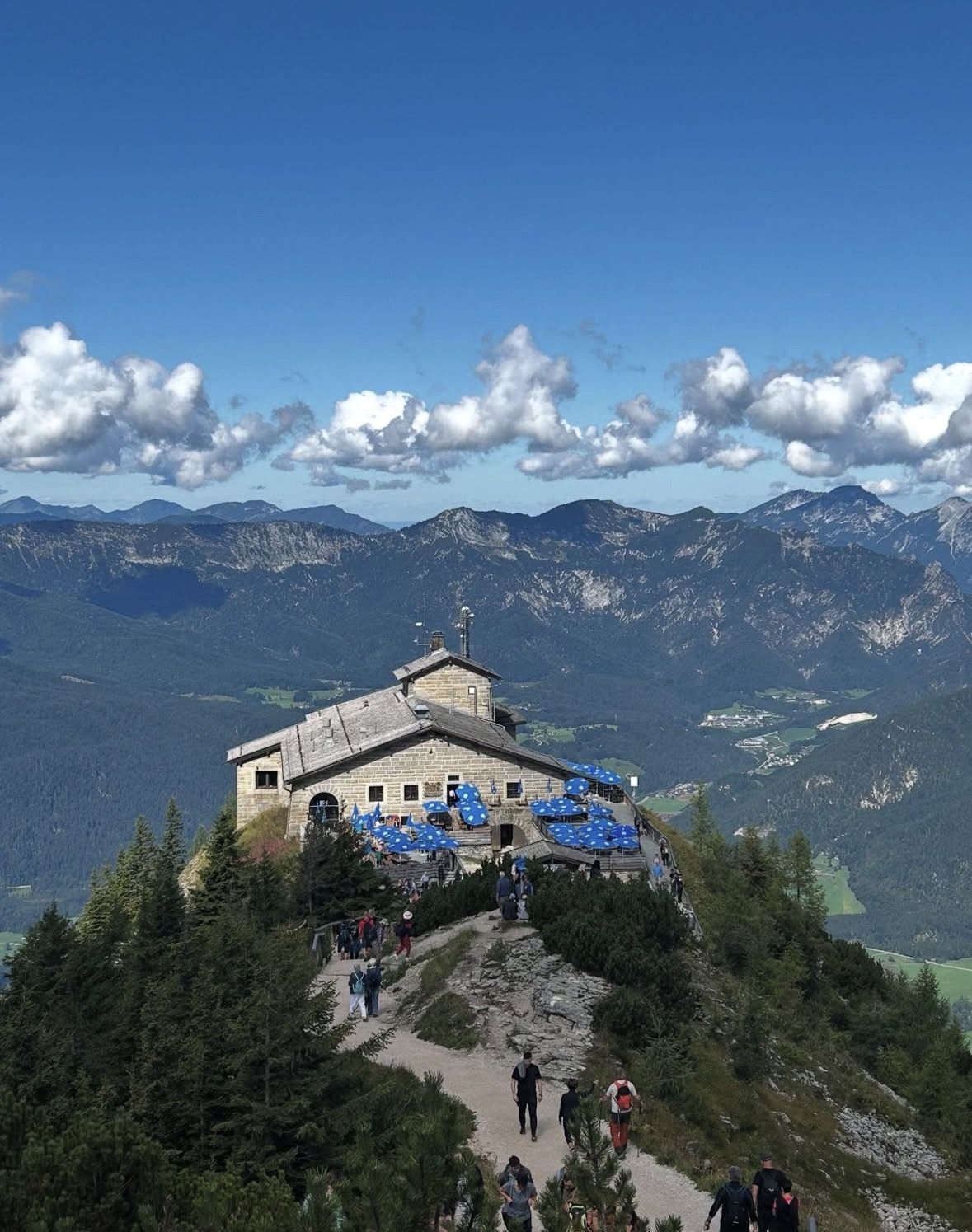
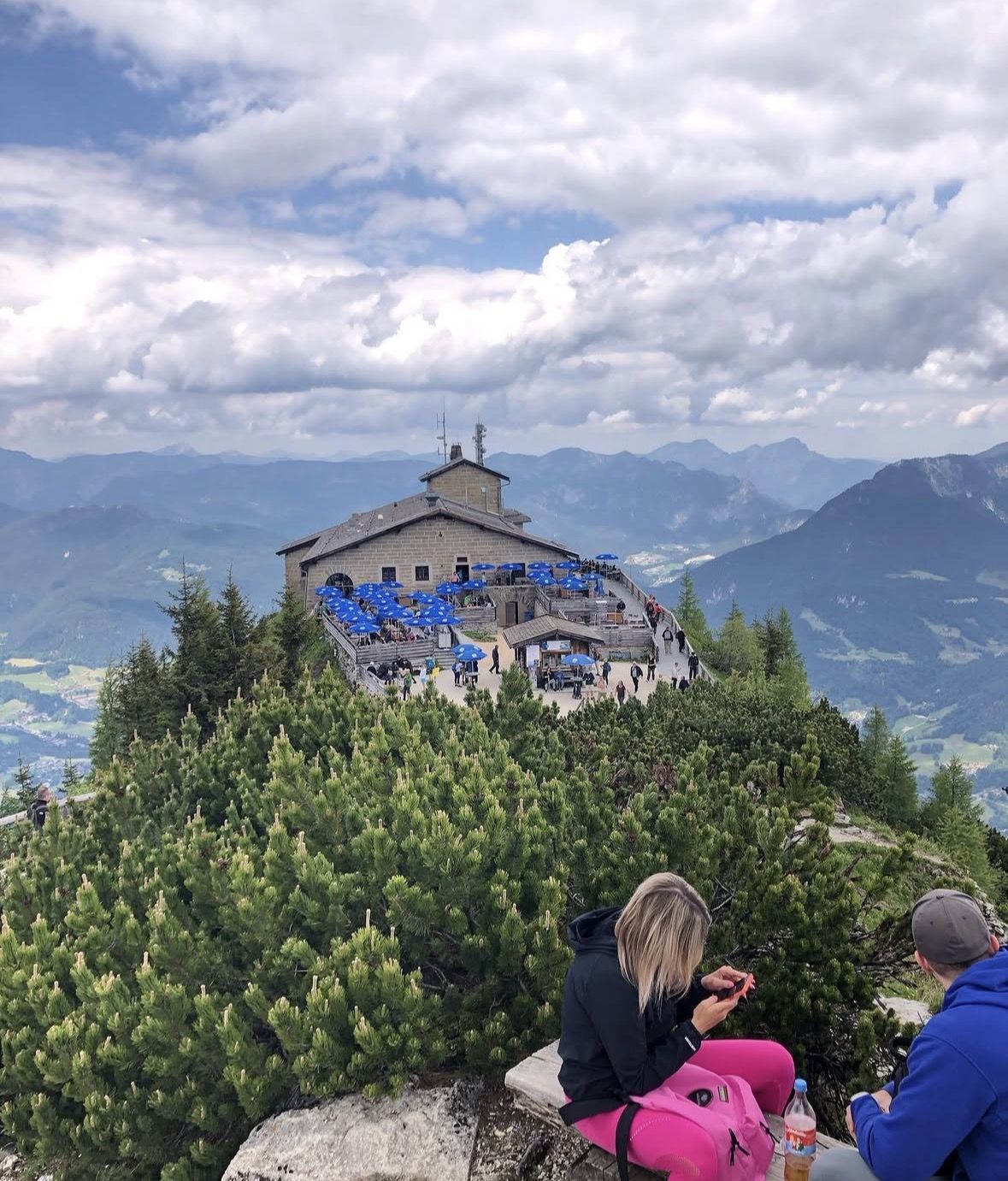
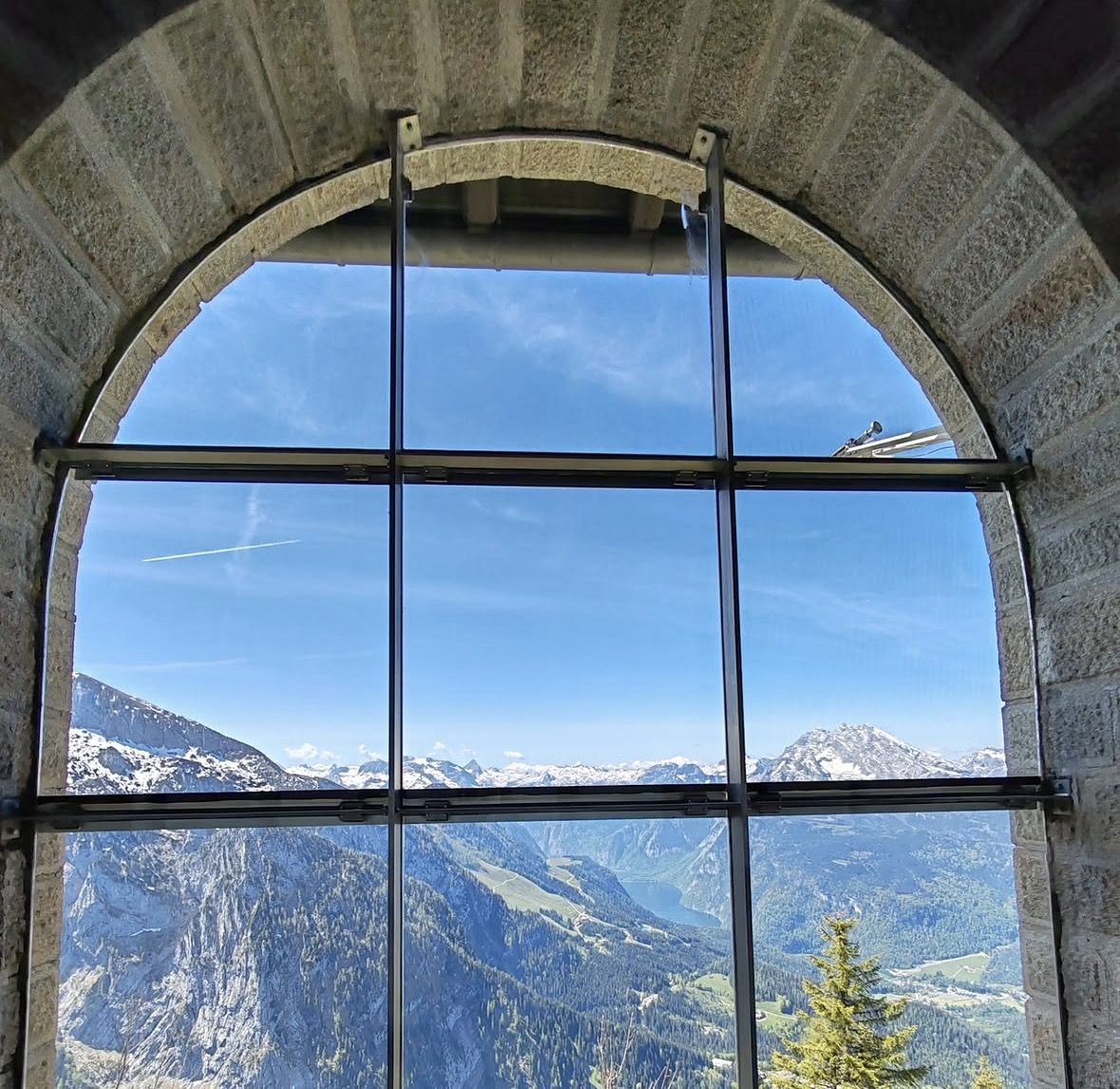
The Eagle's Nest — known in German as the Kehlsteinhaus — stands at 1,834 metres (6,017 feet) on the Kehlstein ridge in Berchtesgaden National Park, Bavaria. The nearest town is Berchtesgaden itself, roughly 20 kilometres south of Salzburg across the Austrian border. Its dramatic mountaintop position delivers sweeping 360-degree panoramas stretching across the Bavarian and Salzburg Alps, down to the Königssee lake and, on clear days, all the way toward the distant Austrian plains.

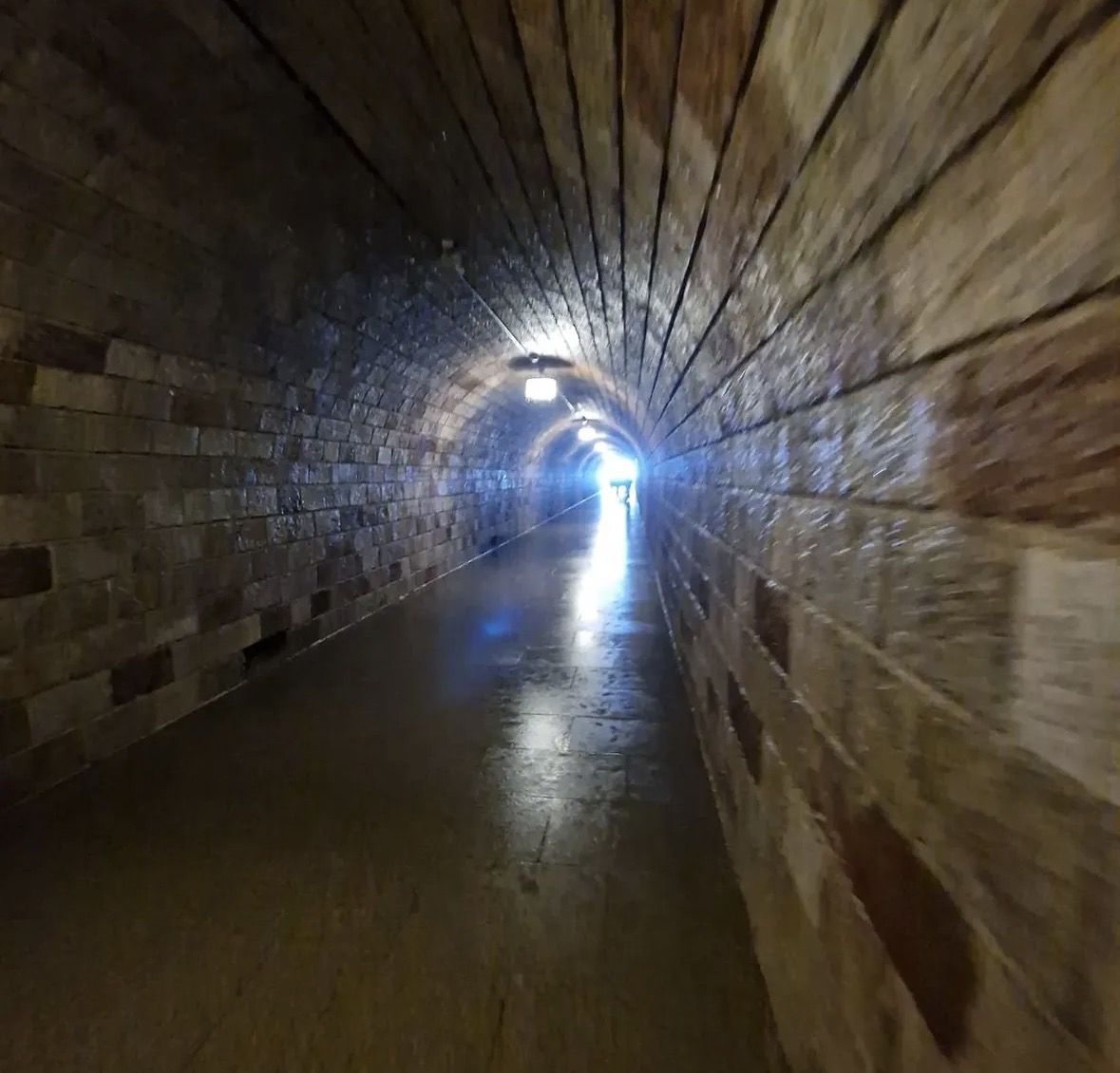
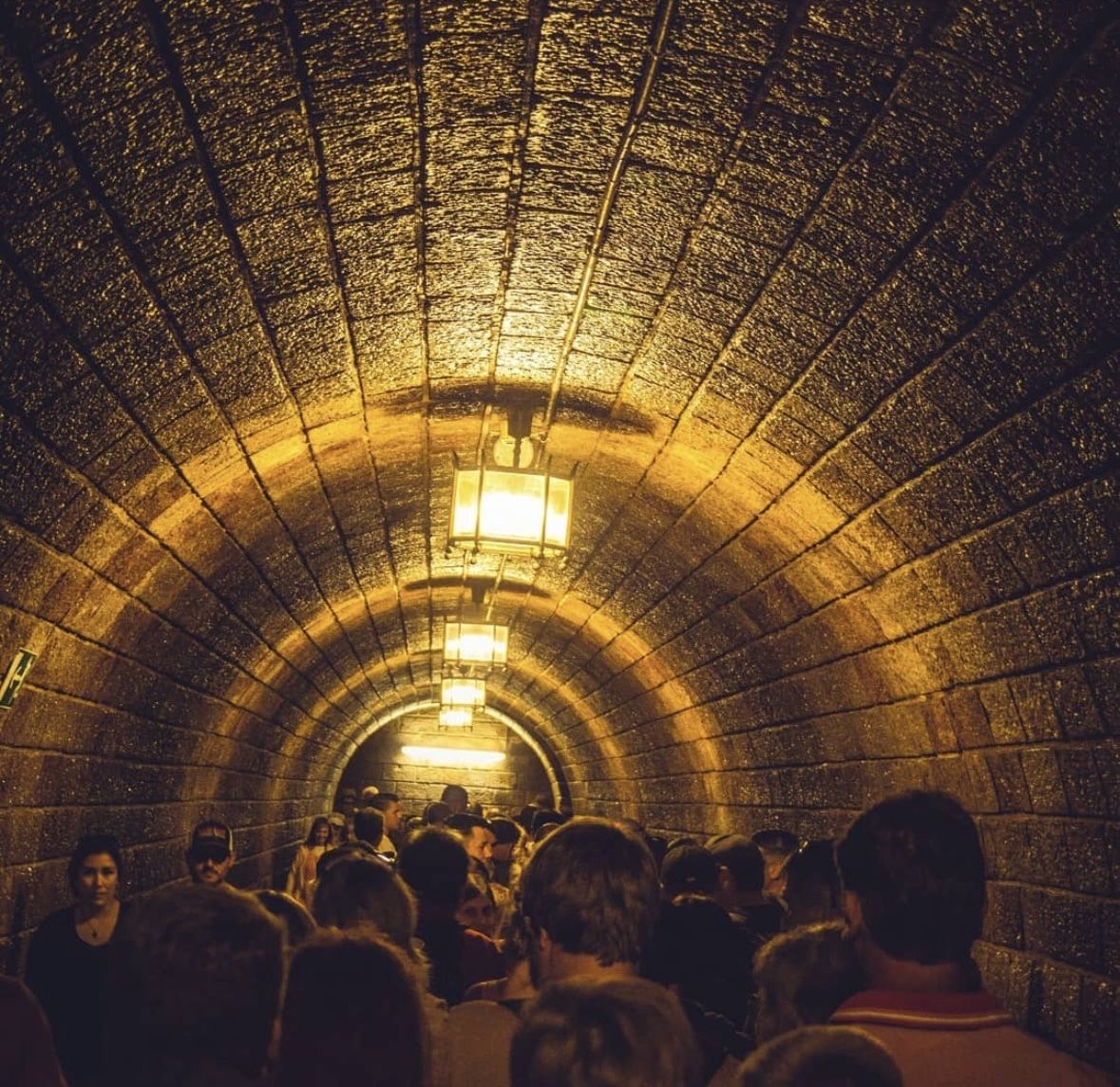
Commissioned as a 50th birthday gift for Adolf Hitler in 1938 and built in just 13 months by around 3,000 workers, the Kehlsteinhaus was conceived as a high-altitude tea house and diplomatic reception venue for the Nazi leadership. An extraordinary 6.5-kilometre mountain road and a 124-metre tunnel leading to a brass-fitted elevator were carved directly into the rock. Hitler himself visited only a handful of times, yet the site became a powerful symbol of Third Reich ambition and engineering bravado.

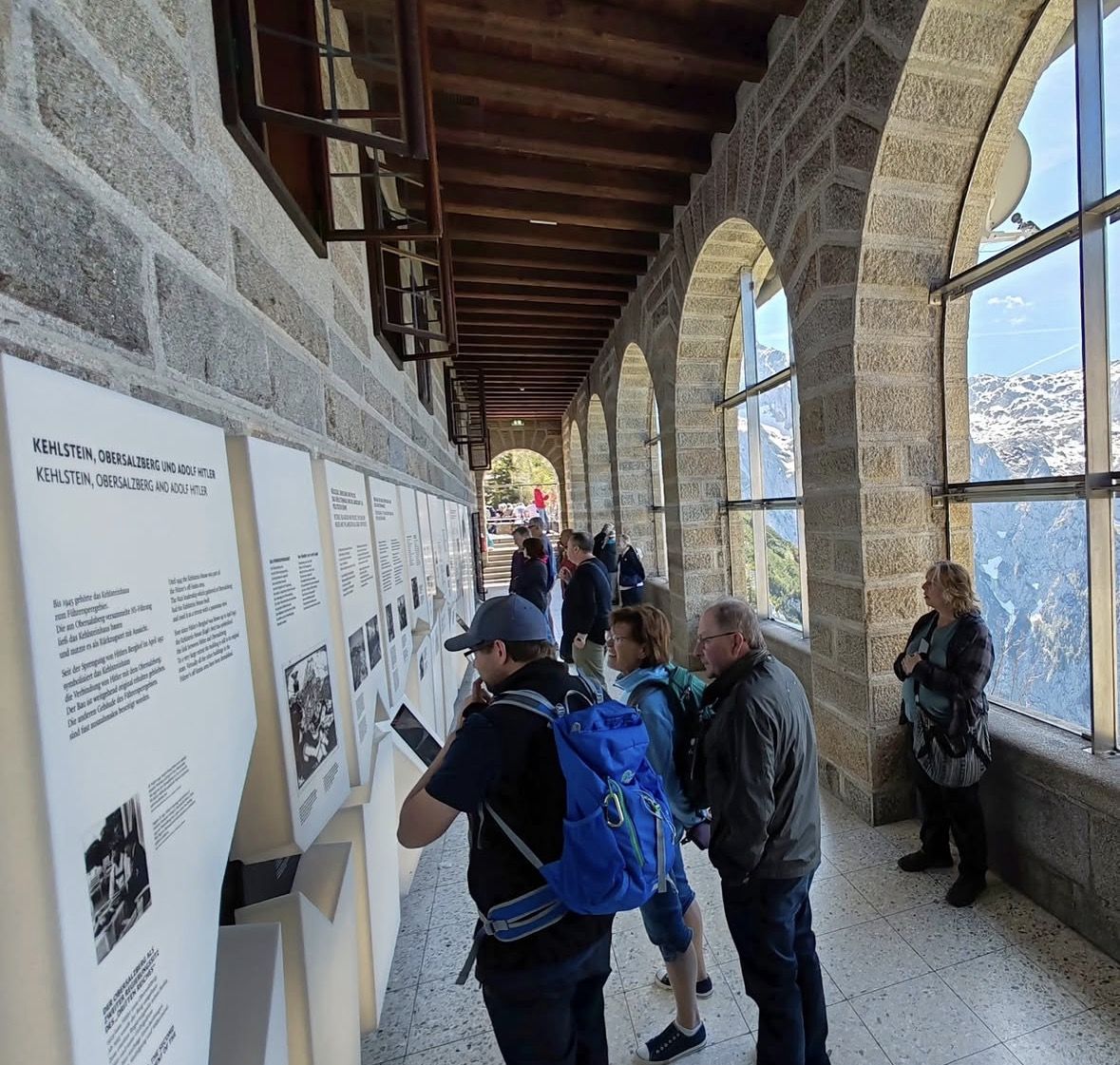
Today the building operates as a mountain restaurant and historical information centre, welcoming over 300,000 visitors each season. After the war, American troops used it briefly as a rest facility; the Bavarian state eventually took over stewardship. Visitors ride the original brass elevator to the summit, explore exhibition panels documenting the Nazi era, dine with Alpine views, and walk the short ridge paths. The season runs May to October — the access road closes entirely in winter due to snow.

🏔️
Altitude 1,834 m (6,017 ft)
📅
Season Open May – October
🚌
From Munich ~2 hrs by tour
🚌
From Salzburg ~45 min by tour
👷
Built In 13 months (1937–38)
🎟️
Annual Visitors ~300,000+
🛗
124 m
The Legendary Brass Elevator

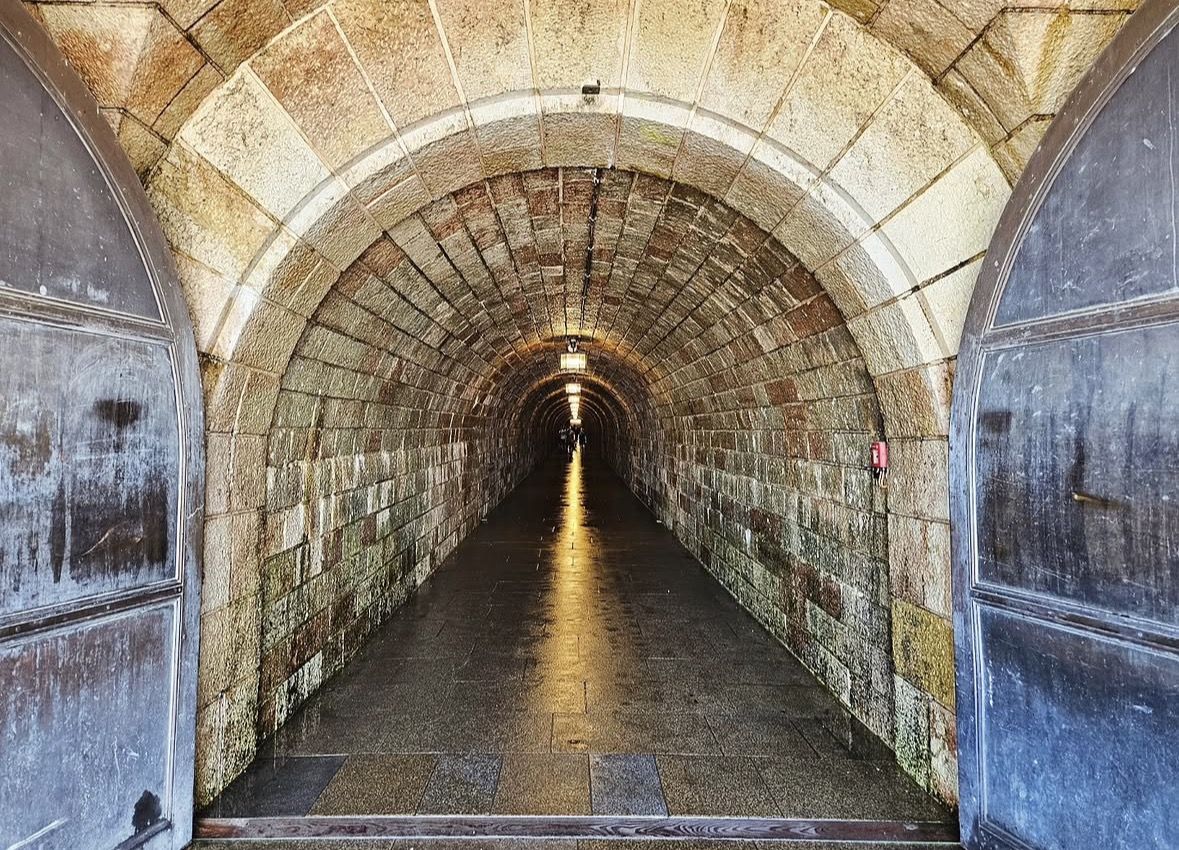
A 124-metre tunnel bored through solid rock leads to the original brass-panelled elevator, one of the most remarkable engineering feats of the 1930s. The lift rises 121 metres in under a minute, depositing visitors directly into the summit building.

🏗️
13 months
Record-Breaking Construction

Approximately 3,000 workers completed the mountain road, tunnel, and summit building in just 13 months — a feat considered near-impossible given the terrain and altitude. Workers endured avalanche risk, thin air, and extreme weather throughout construction.

🎂
1938
Hitler's 50th Birthday Gift

The Kehlsteinhaus was presented to Hitler on his 50th birthday on 20 April 1939, funded by the Nazi Party rather than the German state. Despite the lavish gesture, Hitler is believed to have visited only around 14 times, reportedly disliking the altitude.

🪖
1945
Captured by U.S. Forces

American soldiers from the 101st Airborne Division reached Berchtesgaden in early May 1945, and the summit building was used briefly as an officers' rest facility. Unlike Hitler's primary residence, the Berghof, the mountaintop structure was not destroyed.

🌄
360°
Unrivalled Alpine Panorama

The summit terrace delivers unobstructed views across the Watzmann massif, Königssee lake, and the city of Salzburg on clear days. The perspective — looking down on eagles, clouds, and valley towns — is unlike anything else in the eastern Alps.

🍽️
70+ yrs
Restaurant & Heritage Centre

Managed by the Berchtesgaden municipality since the 1950s, the building now houses a popular restaurant serving Bavarian cuisine and a permanent historical exhibition. All net profits support local cultural and social projects in the Berchtesgaden valley.

🚌

Guided Group Tours from Salzburg

The best eagles nest tour from Salzburg departs most mornings and combines the summit visit with stops at the Obersalzberg documentation centre. Groups are small, guides speak English, and return transfers drop you back in Salzburg's city centre.

🚗

Private Tour from Munich

A private tour Munich to Eagles Nest lets you set your own pace, linger at viewpoints, and ask questions freely without a crowd. Door-to-door pick-up, a dedicated guide, and a luxury vehicle make this the most comfortable way to reach the summit from the Bavarian capital.

⛏️

Eagles Nest & Salt Mine Combo

The eagles nest and salt mine tour pairs the mountaintop with a subterranean adventure at the nearby Berchtesgaden salt mine, one of Germany's oldest. Visitors don miner's overalls, slide down wooden chutes, and cross an underground salt lake on a raft.

🏘️

Hallstatt & Eagles Nest Day Tour

The hallstatt and eagles nest tour is a popular full-day combination departing from Salzburg that visits both the mountain summit and UNESCO-listed Hallstatt village on its iconic lakeside. It is a demanding but deeply rewarding itinerary for history and scenery lovers alike.

🥾

Summit Ridge Walking

Short but spectacular walking paths circle the Kehlstein summit, rewarding visitors with ever-changing Alpine vistas that no bus window can replicate. The terrain is gentle near the building, with more challenging trails descending toward Obersalzberg for experienced hikers.

🍺

Bavarian Dining at the Summit

The mountaintop restaurant serves hearty Bavarian dishes — pretzels, schnitzel, and locally brewed beer — against a backdrop of snow-capped peaks. Dining here is a surreal experience; few restaurants in Europe can rival the altitude or the view.

How Eagle's Nest Compares to Similar WWII & Alpine Sites

Weighing your options? Here is how this Bavarian landmark stacks up against other top historic and mountain destinations in the region.

Travellers planning a historical or Alpine itinerary in Germany and Austria often debate which sites deserve a full day. The Eagle's Nest is undeniably the headline act in the Berchtesgaden area, but how does it hold up against other compelling WWII-era landmarks or mountain attractions? Price, crowd levels, and the type of experience you want all play a role. This table helps you compare the key factors so you can choose the combination — or the single star destination — that best fits your trip.

CrowdsPriceBest ForWhat Sets It Apart
★ Eagle's NestModerate–High (peak summer)€20–€45 (bus + ticket); tours from €65History lovers, Alpine scenery, WWII contextUnique mountaintop architecture, original brass elevator, jaw-dropping 360° Alpine views
Nuremberg Documentation CentreModerate year-round€6–€12 entry; affordable city baseIn-depth WWII and Nazi Party historyMost comprehensive Nazi-era museum in Germany; located in the original Nazi rally grounds
Dachau Concentration Camp MemorialHigh (day-trip crowds from Munich)Free entry; €15–€30 for guided toursSolemn reflection, educational experienceFirst Nazi concentration camp; deeply moving permanent exhibitions and memorials
Neuschwanstein CastleVery High (Europe's busiest castle)€15–€23 entry; tours from €50Fairy-tale architecture, Romantic-era historyInspiration for Disney's castle; extraordinary mountain setting in the Allgäu Alps

Each of these destinations offers something genuinely irreplaceable. Dachau demands solemn attention; Nuremberg rewards deep historical curiosity; Neuschwanstein satisfies the romantic imagination. But the Eagle's Nest delivers something none of the others can — a combination of jaw-dropping Alpine engineering, panoramic mountain grandeur, and Nazi-era history all in one breathtaking location. For travellers who want history and scenery in equal measure, it remains the definitive choice.

Eagle's Nest Everything You Need to Know

Everything you need to plan a smooth, memorable visit to the Kehlsteinhaus — from getting there to what to pack.

How to Get to Eagle's Nest: Transport & Access

The site is not reachable by private car all the way to the summit. Visitors must board a dedicated Kehlstein bus from the Obersalzberg bus terminal (Kehlsteinbusparkplatz), which runs from mid-May to late October. Most travellers arrive in Berchtesgaden by train from Munich (around 2.5 hours with a change at Freilassing) or by joining an organised eagles nest tour from Salzburg, which is just 25 kilometres away across the Austrian border.

From Salzburg, the journey by organised tour takes roughly 45–60 minutes by road. From Munich, private transfers and group tours typically take 1.5 to 2 hours via the A8 motorway. Once at the Obersalzberg terminal, the official Kehlstein bus carries you up the steep 6.5-kilometre mountain road — private vehicles are banned on this stretch. The brass elevator then lifts you the final 121 metres to the summit.

  • 🚂 Train from Munich to Berchtesgaden: ~2.5 hrs (change at Freilassing); Bayern-Ticket valid
  • 🚌 Eagles nest tour from Munich: ~2 hrs by coach; most include bus & ticket at Obersalzberg
  • 🚌 Eagles nest tour from Salzburg: ~45–60 min; easiest option for Austrian-based travellers
  • 🚗 Eagles nest private tour from Munich: door-to-door luxury transfer, fully flexible itinerary
  • 🚌 Kehlstein summit bus: mandatory for all visitors — departs every 25 min from Obersalzberg
  • 🛗 Brass elevator: 124-metre tunnel leads to the original lift; included in summit bus ticket price
  • 🚫 Private cars are prohibited on the Kehlsteinstrasse mountain road — bus is the only option
Kehlstein bus driving up the winding mountain road toward Eagle's Nest in the Bavarian Alps

Best Time to Visit: Seasons & Weather on Kehlstein

The summit is only accessible from mid-May to late October — the road and bus service close completely in winter due to heavy snow. July and August offer the most reliable sunshine and warmest temperatures at altitude, making them the busiest months. Late May, June, and September strike the best balance: fewer crowds, comfortable temperatures, snow-capped peaks still visible on higher ridges, and lower accommodation prices in Berchtesgaden and Salzburg.

Summer temperatures at the summit average 8–15°C even on warm valley days, so always bring an extra layer. Afternoon thunderstorms are common from June through August — arrive early to beat both the weather and the queues. October visits reward with golden autumn foliage carpeting the valley below, though cloud cover increases and some days the summit disappears entirely into mist, obscuring those famous views.

  • 🌸 Mid-May to June: fewer crowds, fresh snow on peaks, vibrant wildflowers — excellent value
  • ☀️ July–August: warmest and sunniest, but peak crowds; book eagles nest tickets weeks in advance
  • 🍂 September: golden light, thinner crowds, comfortable temperatures — arguably the best month
  • 🍁 October: stunning autumn colours but increasing cloud and mist; summit views not guaranteed
  • ❄️ November–April: site completely closed; road and bus service suspended due to snow
  • ⛈️ Afternoon thunderstorms common June–August; plan to arrive before 10:00 AM
  • 🌡️ Summit temperature is typically 10–12°C cooler than the valley — dress accordingly all season
Summer panoramic view from Eagle's Nest summit showing Bavarian Alps and Königssee lake in sunshine

What to Pack for Your Eagle's Nest Visit

Despite being a summer-only destination, the altitude of nearly 1,834 metres means conditions can change rapidly. A waterproof outer layer is non-negotiable — afternoon storms roll in fast and the summit terrace offers little shelter. Comfortable walking shoes with ankle support are strongly recommended; the ridge paths are uneven. Sunscreen and sunglasses are equally important at altitude, where UV intensity is significantly higher than at sea level.

Pack light but smart. A small daypack is ideal — large luggage is impractical on the bus and elevator. Bring water and a snack for the journey, though the summit restaurant stocks food and drinks. Cash (euros) is useful for the bus ticket if you have not pre-purchased, and a fully charged phone or camera is essential — the panoramic views from the terrace deserve proper photography, not a dying battery.

  • 🧥 Waterproof jacket or windbreaker — essential even on warm valley days
  • 👟 Sturdy walking shoes or light hiking boots with ankle support
  • 🕶️ Sunglasses and SPF 30+ sunscreen — UV is intense at high altitude
  • 💧 Reusable water bottle — stay hydrated at elevation
  • 📷 Camera or fully charged phone — panoramic views deserve proper shots
  • 💶 Cash (euros) for bus tickets or small purchases if card payment fails
  • 🎒 Small daypack only — large bags are impractical on the mountain bus and elevator
  • 🧣 Light fleece or warm mid-layer — summit can be 10°C cooler than the valley
Hiker with daypack standing on Eagle's Nest summit terrace wearing a waterproof jacket

Local Tips & Insider Advice for Visiting Kehlsteinhaus

Arrive at the Obersalzberg bus terminal before 9:00 AM to secure a spot on the first buses and avoid peak midday queues. The summit restaurant opens at 09:30 AM and fills up fast — grab a table on the terrace early if the weather is fine. Guided tours provide historical context that the on-site panels alone cannot fully convey, making an eagles nest guided tour genuinely worth the premium over self-guided visits.

The on-site historical exhibition is in German and English and is well worth 30–40 minutes of your time before eating or walking the ridge. Tipping in Bavarian restaurants follows standard German custom — rounding up or adding 10% is appreciated but not obligatory. Download the Berchtesgaden National Park app before your trip for offline trail maps. Many visitors also explore the Obersalzberg documentation centre on the same day — factor in at least an extra 1.5 hours for that.

  • ⏰ Arrive at Obersalzberg bus terminal before 09:00 AM to beat the queues
  • 🎟️ Pre-book eagles nest tickets or a guided tour online — walk-up bus tickets can sell out on peak days
  • 📖 Spend 30–40 min in the historical exhibition before heading to the terrace
  • 🍺 Try the local Berchtesgadener beer and a Bavarian pretzel at the summit restaurant
  • 🏛️ Combine with the Obersalzberg Documentation Centre for deeper WWII context (1.5 hrs extra)
  • 📵 Mobile signal is patchy at the summit — download offline maps before departure
  • 🗣️ English-speaking guides on organised tours are far more informative than audio guides alone
Visitors enjoying Bavarian food and beer on the Eagle's Nest summit terrace with Alpine views

Health & Safety at Eagle's Nest: What to Know

At nearly 1,834 metres, mild altitude effects — slight shortness of breath, light-headedness — can affect visitors arriving from low altitudes, particularly older travellers and those with cardiovascular conditions. If you have a heart condition or respiratory issues, consult your doctor before booking. The altitude is not extreme by Alpine standards, but the rapid ascent by bus and elevator means your body has little time to acclimatise. Drink water regularly throughout the day.

The mountain road and summit area are well-maintained and safe, but the ridge walking paths have uneven surfaces and no guardrails in places — stay on marked trails and keep children close. Emergency services in Berchtesgaden are reliable; the nearest hospital is in Bad Reichenhall (approx. 30 km). EU travellers should carry their EHIC card; non-EU visitors need valid travel insurance covering mountain rescue, which can be costly without cover.

  • 🫀 Consult a doctor before visiting if you have heart or respiratory conditions
  • 💧 Drink plenty of water — dehydration worsens mild altitude symptoms
  • 🚑 Nearest hospital: Kreisklinik Bad Reichenhall, approx. 30 km from Berchtesgaden
  • 🏔️ Stay on marked summit paths — some ridge edges have no guardrails
  • 🧒 Keep children close at all times on the summit terrace and ridge trails
  • 🪪 EU visitors: carry your EHIC card; non-EU visitors: ensure travel insurance covers mountain rescue
  • ⛈️ If a storm develops on the summit, descend immediately via the elevator — do not shelter on the terrace
Safety sign and marked hiking trail near Eagle's Nest summit with Alpine backdrop

All Tours

Pair your visit with these unmissable nearby attractions in Bavaria and the Salzburg region.

Eagle's Nest What Visitors Are Saying

Travelers from around the world share their experiences visiting the Eagle's Nest and the breathtaking Bavarian Alps.

★★★★★

"Booking a guided tour from Munich was the best decision we made for this trip. Our guide was incredibly knowledgeable about the history of the Third Reich and the Obersalzberg area, making the experience both educational and deeply moving. The panoramic views from the summit at 1,834 meters were absolutely spectacular — you can see the Watzmann, Königssee, and even Salzburg on a clear day. The brass elevator carved into the mountain rock is a jaw-dropping piece of engineering history that no photograph can truly capture."

JM
Jonathan M.September 2024
★★★★★

"We joined a private tour from Munich and couldn't have asked for a better experience. Our guide provided rich historical context that made the entire site come alive in a way that self-guided visiting simply cannot replicate. The road up to the Kehlsteinhaus is thrillingly dramatic, with hairpin bends carved into sheer cliff faces. I left with a far deeper understanding of how this place fit into the broader story of World War II and the Nazi regime."

SR
Sophie R.August 2024
★★★★☆

"We did a combined Hallstatt and Eagle's Nest tour, which made for a very full but incredibly rewarding day. Hallstatt in the morning was fairy-tale beautiful, and then the afternoon shift to the weight of wartime history was a genuinely thought-provoking contrast. The site itself is impeccably maintained, and the restaurant inside the former tea house serves surprisingly good food with unbeatable views. The only minor downside was that crowds in peak summer can make some areas feel a little rushed."

LB
Lena B.July 2024
★★★★★

"Coming from Salzburg, the tour to Kehlsteinhaus took under an hour and was seamlessly organized from start to finish. Our guide walked us through the Documentation Centre at Obersalzberg before heading up, which gave crucial historical grounding before we even reached the summit. Standing at that altitude and looking out over the Alps felt surreal, especially knowing the dark history beneath your feet. Absolutely essential for anyone with even a passing interest in 20th-century European history."

MF
Marco F.October 2024
★★★★★

"I had tried to visit independently a few years ago and had a frustrating time navigating the bus connections, so this time I booked a guided tour and the difference was night and day. Everything was handled — transport, tickets, and an expert commentary that kept us engaged the entire time. The combination of stunning Alpine scenery and profound historical significance makes this one of the most unique attractions in Europe. Highly recommend choosing a small-group or private option so you can ask questions freely."

CD
Claire D.June 2024
★★★★☆

"We paired this visit with a salt mine tour, and the two experiences complemented each other surprisingly well — one a natural wonder, the other a monument to a dark chapter of history. The salt mine was great fun for the kids, while the afternoon visit to the Kehlsteinhaus gave the adults plenty to reflect on. Our guide struck the right balance between informative and sensitive when discussing the Nazi history. We docked one star only because the weather closed in on us near the summit, but that is just the Alps doing what they do!"

PH
Peter H.May 2024
★★★★★

"This was without question the highlight of our entire two-week European trip. The sheer scale of the engineering achievement — a mountain road, a 124-metre tunnel, and a polished brass elevator all completed in just 13 months — is staggering to witness in person. Our guide contextualized the propaganda purpose behind the construction brilliantly, without ever reducing it to a simple good-versus-evil narrative. I came away with a much more nuanced understanding of how totalitarian regimes use architecture and spectacle as political tools."

AT
Amelia T.August 2024
★★★★★

"We chose a combined Salzburg and Eagle's Nest itinerary and it worked perfectly as a single packed day. Salzburg's Mozart-era charm in the morning felt almost dreamlike before the sobering historical atmosphere of Obersalzberg in the afternoon. The views from the terrace on a clear day are genuinely among the finest I have ever seen anywhere in the world. Our guide was passionate, well-read, and happy to linger at points that interested the group most — that flexibility made the whole day feel personal rather than formulaic."

HN
Haruto N.September 2024

Watch Eagle's Nest Come Alive

See the brass elevator, sweeping Alpine panoramas, and the remarkable story of Kehlsteinhaus in this visual guide.

YouTube video thumbnail showing Eagle's Nest summit building and Bavarian Alps panorama

Find Eagle's Nest

Kehlsteinhaus (Eagle's Nest) is located on the Kehlstein ridge above Berchtesgaden, Bavaria, Germany — access via the Obersalzberg bus terminal on Kehlsteinstraße, 83471 Berchtesgaden.

Eagle's Nest Frequently Asked Questions

Everything you need to know before planning your visit to one of Europe's most historically significant and scenically dramatic mountain sites.

Tickets for the Kehlsteinhaus are not sold at the summit itself — access is managed through a special bus service that departs from the Obersalzberg bus terminal near Berchtesgaden, and the bus fare effectively serves as your entry fee. Booking through a guided tour operator is the easiest option, as they bundle transport, the bus ticket, and expert commentary into a single reservation. During peak summer months (June–September), places fill up quickly, so booking well in advance is strongly advised. Most reputable tour companies allow online booking up to several months ahead.
The best tours from Munich typically offer small-group or private formats, include a knowledgeable English-speaking guide, and factor in a stop at the Obersalzberg Documentation Centre before heading to the summit. Round-trip travel from Munich to Berchtesgaden takes roughly two hours each way, so full-day tours of 10–12 hours give you the most comfortable experience without feeling rushed. Look for operators who include the mandatory mountain bus ticket in the overall price to avoid unexpected costs on the day. Private options are ideal if you want a flexible itinerary or have specific historical questions you'd like to explore in depth.
Salzburg is the closest major city to Berchtesgaden, sitting just across the Austrian border, so the drive typically takes only 30–45 minutes. A standard guided day tour from Salzburg usually runs between 5 and 7 hours in total, including travel time, the Documentation Centre visit, the mountain bus ride, and time at the summit. This makes it a very manageable half-day or full-day excursion that can easily be combined with other sightseeing in Salzburg itself. Many visitors choose to spend the morning exploring Salzburg's old town before joining an afternoon departure.
Yes — while the site is technically located in Bavaria, Germany, several tour operators based in Salzburg, Austria run daily departures that are extremely popular with visitors staying on the Austrian side of the border. These tours cross into Germany for the Berchtesgaden and Obersalzberg area before ascending to the Kehlsteinhaus. Because Salzburg is so much closer than Munich, Austrian-departing tours tend to allow slightly more time at the summit itself. They are a great choice if your accommodation is in Salzburg and you want to avoid a very early morning start.
The Kehlsteinhaus was built in 1938 as a gift to Hitler from the Nazi Party leadership and served primarily as a tea house and reception venue for foreign dignitaries — it was not, as sometimes assumed, Hitler's personal home or military command center. His actual residence in the area, the Berghof, was destroyed by Allied bombing and later by German forces at the end of the war. The Obersalzberg Documentation Centre, located just below the summit road, provides thorough and carefully curated exhibits on the Nazi history of the region and is an essential complement to any visit. Guides on reputable tours present this history factually and sensitively, without sensationalism.
Independent visits are possible but require more logistical planning than most travelers expect. You would need to make your own way to the Obersalzberg bus terminal by car or local bus from Berchtesgaden, then purchase a ticket for the special shuttle bus that is the only vehicle permitted on the restricted mountain road. Audio guides are available at the summit, but they cannot replicate the contextual depth of a live expert guide who can answer questions and adapt commentary to the group's interests. For first-time visitors, or those with a strong interest in the history, a guided option is almost always the more rewarding choice.
The site is seasonal and typically open from mid-May to late October, depending on snow conditions on the mountain road. Late spring (May–June) and early autumn (September–October) offer the best combination of pleasant weather, manageable crowd levels, and excellent visibility for the Alpine views. July and August are the busiest months; while the weather is warm and reliable, the site can feel crowded and bus queues grow longer. Regardless of when you visit, always bring a warm layer — at nearly 1,834 metres, temperatures at the summit can be 10–15°C cooler than in the valley below.
A combined Hallstatt and Kehlsteinhaus tour is one of the most popular itineraries in the region and showcases two very different but equally spectacular sides of the Bavarian-Austrian border area. Hallstatt, a UNESCO-listed lakeside village, typically fills the morning portion of the tour before the group moves to Berchtesgaden for the afternoon ascent. It makes for a long but deeply satisfying day, often running 12 hours or more in total, so comfortable footwear and a good breakfast are recommended. Several established operators run this combined route from both Munich and Salzburg throughout the open season.
The site presents some genuine accessibility challenges that are worth understanding before you book. The mountain bus involves steps, the tunnel path at the summit is uneven in places, and the famous brass elevator, while remarkable, is small and can involve a wait during busy periods. The outdoor terrace and restaurant are reachable without extreme difficulty for most visitors with moderate mobility, but the site is not considered fully wheelchair accessible. It is best to contact your tour operator directly before booking to discuss your specific needs and get up-to-date accessibility information.
Yes — the Kehlsteinhaus building now operates as a restaurant and café, serving traditional Bavarian food and drinks with what is arguably the most dramatic dining backdrop in Germany. The menu features hearty regional dishes such as pretzels, schnitzel, and local beers, all priced at levels you would expect for a high-altitude tourist destination. Seating on the outdoor terrace on a clear day is a genuinely memorable experience, with sweeping views across the Alps in every direction. Be aware that the restaurant can get very busy at lunchtime in peak season, so arriving early or late for your meal is advisable.

Ready to stand on top of the Bavarian Alps?

Book Your Tour Now

The Remarkable History Behind the Kehlsteinhaus

Built in just 13 months as a gift for Adolf Hitler's 50th birthday, the Kehlsteinhaus is one of the most audacious construction projects of the 20th century — and one of the very few Nazi-era buildings still standing in its original form. From wartime diplomatic venue to post-war American officers' club to beloved Bavarian restaurant, its story spans nearly a century of turbulent European history.

📅 Book Now